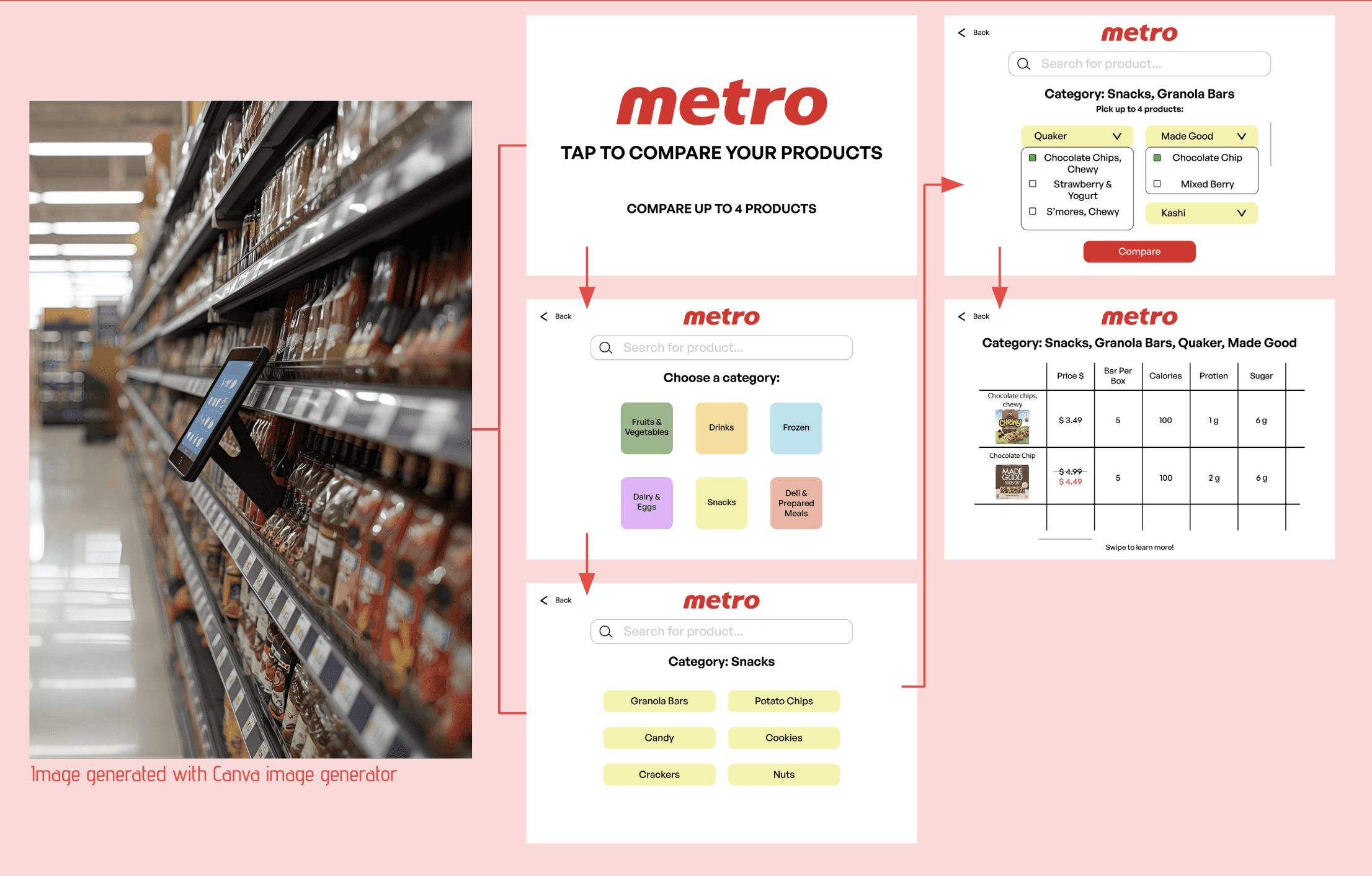
An example of my proposed comparison tablet that is meant to assist shoppers in finding and/or comparing product information to make conscious decisions.
Objective
A team based project proposing the integration of digital signage in a grocery store to modernize the shopping experience and increase sales.
Software/equipment
*This project focused more on the propsal rather than visual aspect.*
Role & contribution
As the lead researcher, I conducted research on how shoppers behave in grocery stores and what issues occur. I also took part in providing solutions.
Progress
Before intergrating digital signages, it was important to first identify the current challenges grocery stores are facing and the demogrpahics that could benefit from these improvements. To further our support our proposal, we selected a specific location as our example: Metro at 425 Bloor St W, Toronto, ON. This is what we discovered:
• 45.8% of shoppers claim hard-to-find products as an issue.
• Different hours in different departments lead to frustration.
• Consumers typically spend 30 mins or less at grocery stores.
• Nearly 40% of shoppers are most frustrated with messy, cluttered, and disorganized setups.
• Age groups: young adults, working adults, and seniors
• Frequent the store most between 3-5 pm on weekdays and midday onward on weekends
• 75% shop in store compared to alternatives
• The most influential factors when it comes to shopping:
• Prices: 74%
• Store location: 59%
• Product quality: 57%
Integration goal:
By integrating digital signage, our goal was to address these issues by improving in-store navigation, enhancing layout clarity, increasing customer engagement, and improving accessiblity. Through a funnel marketing approach, the signage helps strengthen Metro's brand identity, create a more engaging shopping environment, and enhance the overall shopping experience while increasing sales.
Measure of success:
To measure the success of our digital singage intergrations, we recognized that different signage types would generate different forms of engagement. Some displays would focus on visual impressions and time spent viewing, while others are through interactions such as QR codes, coupons, or other call to actions. This approach allows for a more accurate and varied performance insight across the store.
Digital signage examples:
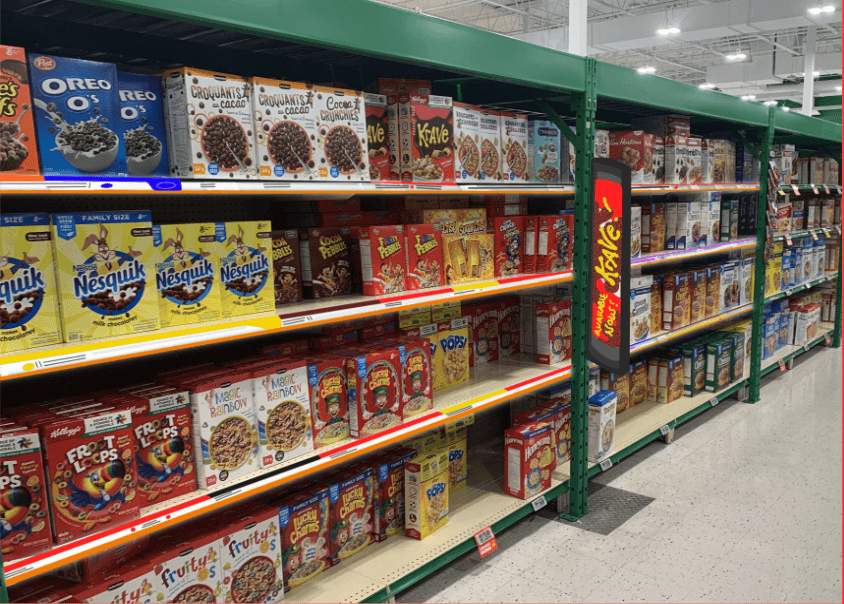
Shelf edge display (left): Provides product details like price and stock, while promoting advertisements
Shelf LED display (right) : Promotes aisle specific products and includes QR codes for call to action engagement
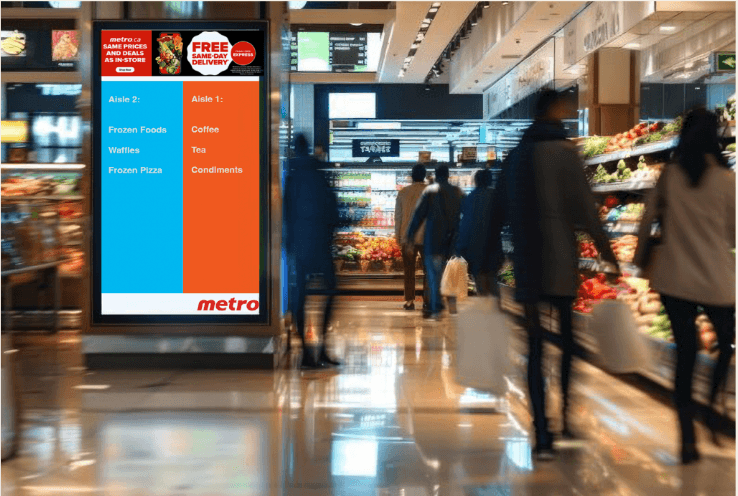
End cap signage: Eye level, zoned advertising intergrated with clear aisle dividers to improve visibilty
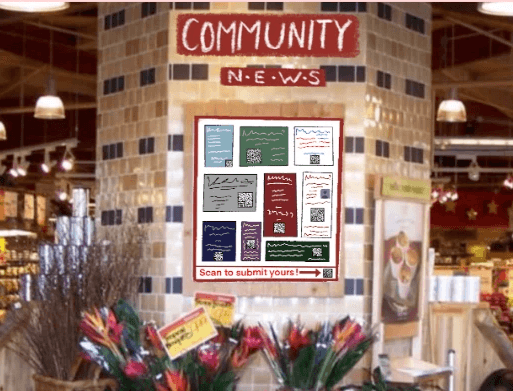
Community board: A trusted space for programmatic advertising that encourages advertisings, local promotions, and community engagement
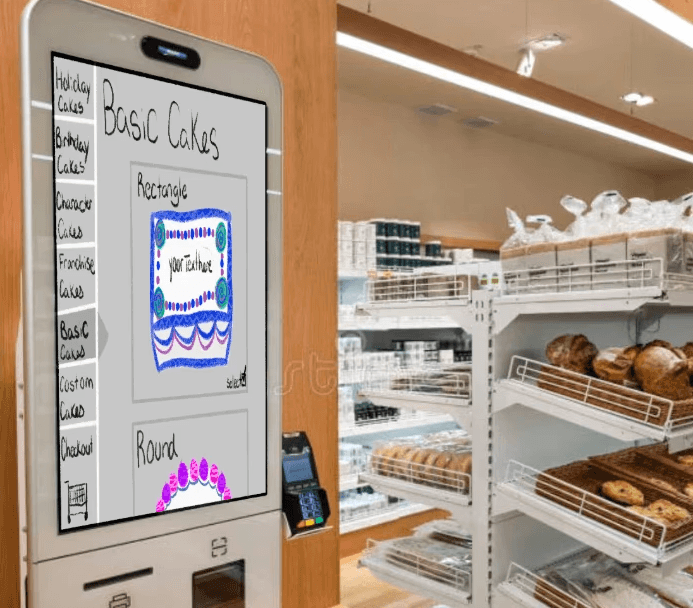
Self serve kiosk: An interactive ordering solution that improves accessibility, supports ordering with limited staff, and increase overall efficiency
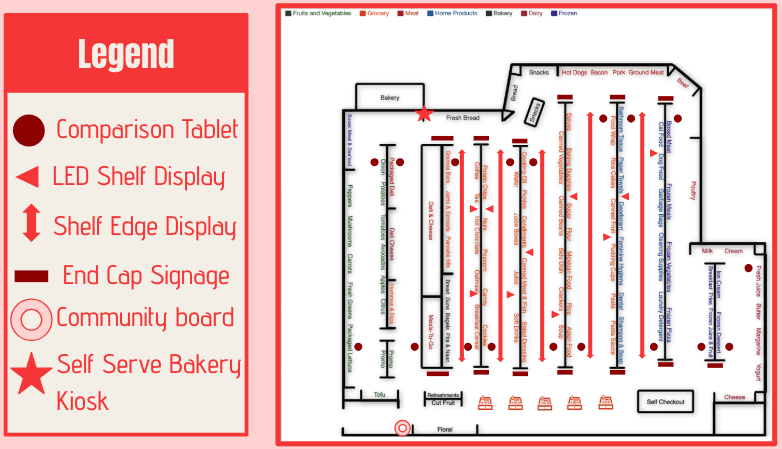
Updated store layout: Visualizing our selected location with intergrated digital display placements
Learning outcomes